Link building is the strategic process of getting other websites to link to yours, boosting its ranking on search engines like Google. While it’s not a new concept, the way it works in 2026 has changed dramatically. Google’s AI Overviews, the rise of answer engines like ChatGPT and Perplexity, and a new discipline called Answer Engine Optimization (AEO) have reshaped the entire playbook.
The old approach of chasing as many links as possible no longer cuts it. Search engines and AI systems now evaluate backlinks as genuine endorsements of credibility rather than mathematical proxies for authority. If you’re still running the same link-building strategy you used two years ago, it’s time for a reset.
Here are the strategies that actually move the needle in 2026.
Prioritize Editorial Quality Over Volume
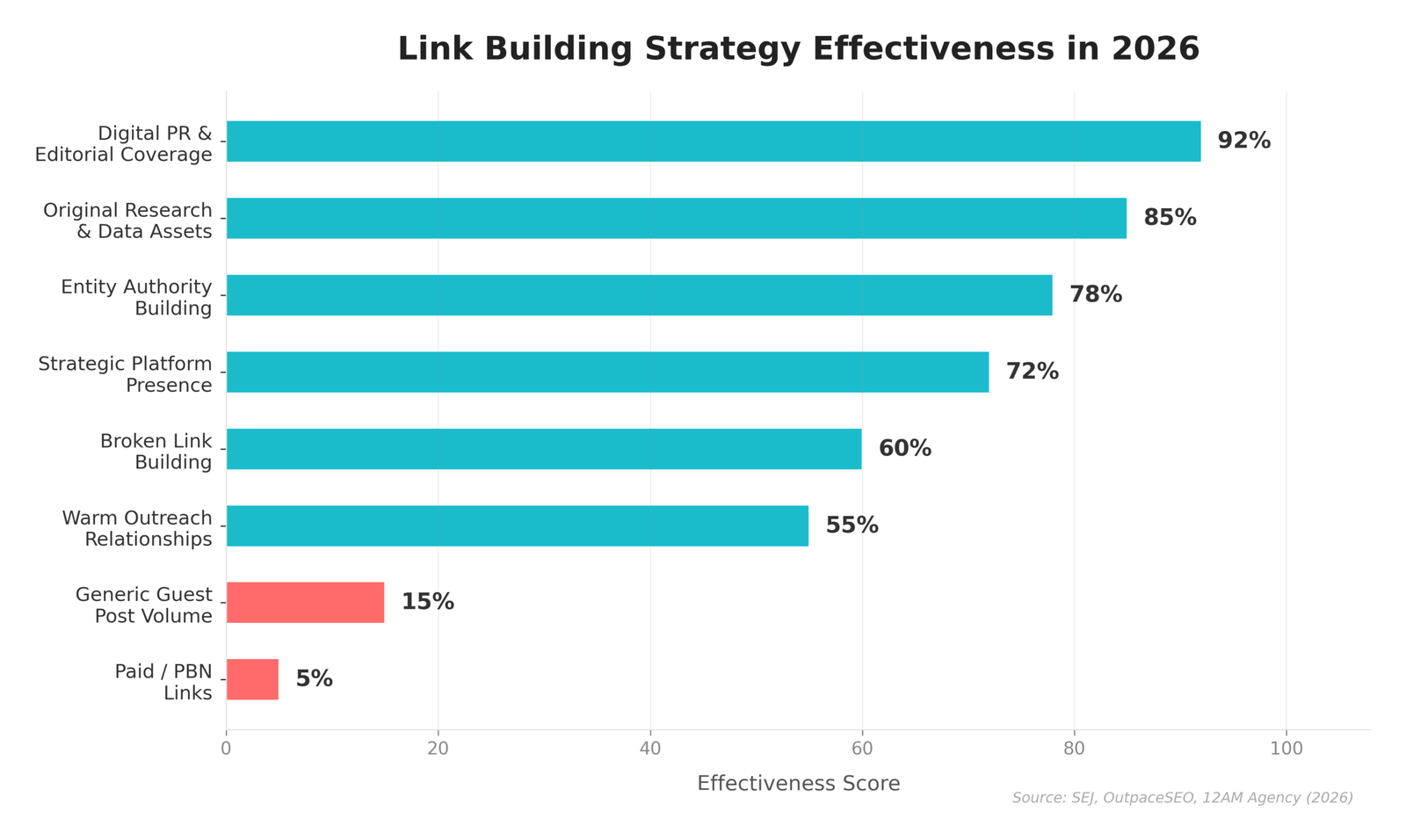
The days of hoarding links from any site willing to give you one are over. Search engines have become significantly smarter, and AI models now pay close attention to the context and sentiment surrounding each link. A single editorial backlink from a respected industry publication carries more weight than dozens of links from generic directories or low-relevance blogs.
Think of it this way: a backlink is no longer just a vote. It’s an endorsement. And endorsements from trusted, editorially curated sources — where real journalists and editors determine the relevance and quality of what gets published — carry far more authority than links placed through bulk outreach or paid placements.
When evaluating potential link sources, ask yourself whether a real person would visit and trust that site. If the answer is no, the link probably isn’t worth pursuing. Focus your efforts on earning placements on sites with genuine editorial oversight, whether that’s industry blogs, news outlets, or niche publications in your field.
Invest in Digital PR
Digital PR has emerged as the single most effective link-building strategy in 2026. Nearly half of SEO professionals now rank it as their top method for acquiring authoritative backlinks, and it’s easy to see why.
Unlike traditional link building, digital PR earns links from high-authority domains — major news sites, industry journals, and respected media outlets — that competitors cannot replicate through standard outreach. These are the exact type of endorsements that both search engines and AI platforms use to determine which sources to trust and cite.
The most effective digital PR campaigns are built on original data. Over 90 percent use data-led content or expert commentary as the foundation. If you can publish a study, survey, or analysis that provides insights no one else has, journalists and editors will want to reference it. That creates a natural cycle: original data attracts media coverage, media coverage generates high-authority links, and those links strengthen your visibility across both traditional search and AI-generated answers.
Build Entity Authority
Google no longer sees your website as just a URL. It sees it as an entity — a recognised thing with attributes, relationships, and a reputation. This shift toward entity-based search has fundamentally changed what makes a backlink valuable.
Entity-based linking is the practice of earning links from other established entities that Google already trusts within your niche. As AI-driven algorithms move away from simple link counting toward entity validation, a backlink becomes a verified endorsement from one trusted entity to another.
To build entity authority, ensure your brand is consistently represented across the web. This includes your website, social profiles, industry directories, Wikipedia (if applicable), and any platform where your brand, products, or key personnel are mentioned. The more consistently and prominently your entity appears across trusted sources, the stronger your authority signals become in both traditional search and AI systems.
Optimise for Answer Engine Visibility
Answer Engine Optimization (AEO) is the practice of structuring your content so that AI-powered platforms can easily retrieve, understand, and cite it when generating answers. This is no longer optional. With AI Overviews appearing above traditional search results for an increasing number of queries, the sites that get cited in those answers gain significant visibility.
For link building, AEO adds a new layer of value. The authority signals that backlinks provide — trust, relevance, editorial validation — are the same signals that AI systems use when deciding which sources to cite. This means every quality link you earn is now doing double duty: improving your organic rankings and increasing your chances of being referenced by AI platforms like ChatGPT, Perplexity, and Google’s own AI Overviews.
Structure your content to answer specific questions clearly and concisely. Use descriptive headings, provide direct answers early in each section, and back up claims with data and credible sources. Content that is easy for AI systems to parse and validate is content that gets cited.
Reclaim Broken Links
Broken link building remains a viable strategy in 2026, though the approach has matured. The concept is straightforward: find links on other websites that point to pages that no longer exist (404 errors), then offer your own content as a replacement.
Tools like Ahrefs, Semrush, and Screaming Frog make it easy to identify broken links on sites relevant to your niche. The key is to already have — or be willing to create — content that genuinely fits as a replacement. Site owners are far more receptive when you’re solving a problem for them rather than just asking for a favour.
When reaching out, be professional and specific. Identify the exact broken link, explain what it originally pointed to, and show how your content serves the same purpose. Keep the message brief and focused on the value you’re providing to their readers, not on the benefit to your own site.
Produce Linkable Assets
Not all content is created equal when it comes to attracting links. The pieces that earn the most backlinks tend to fall into specific categories: original research, comprehensive guides, data visualizations, free tools, and unique frameworks that others can reference in their own content.
The most successful link-building campaigns in 2026 combine multiple complementary strategies, but they almost always start with a strong linkable asset. If your content doesn’t offer something that other sites genuinely want to reference — whether that’s a unique statistic, a useful tool, or a definitive guide — no amount of outreach will generate meaningful results.
Before investing in outreach, invest in the content itself. Ask: would a journalist or blogger in my industry want to cite this? If the answer is yes, the outreach becomes significantly easier. If the answer is no, create something better before you start sending emails.
Leverage Strategic Platforms
Not all platforms are created equal for link building in the age of AI search. Research shows that certain platforms generate disproportionate AI citations. Reddit, for example, generates significantly more AI citations relative to its traffic volume than many traditional websites. LinkedIn, Wikipedia, YouTube, and Medium also rank among the top sources that large language models reference when generating answers.
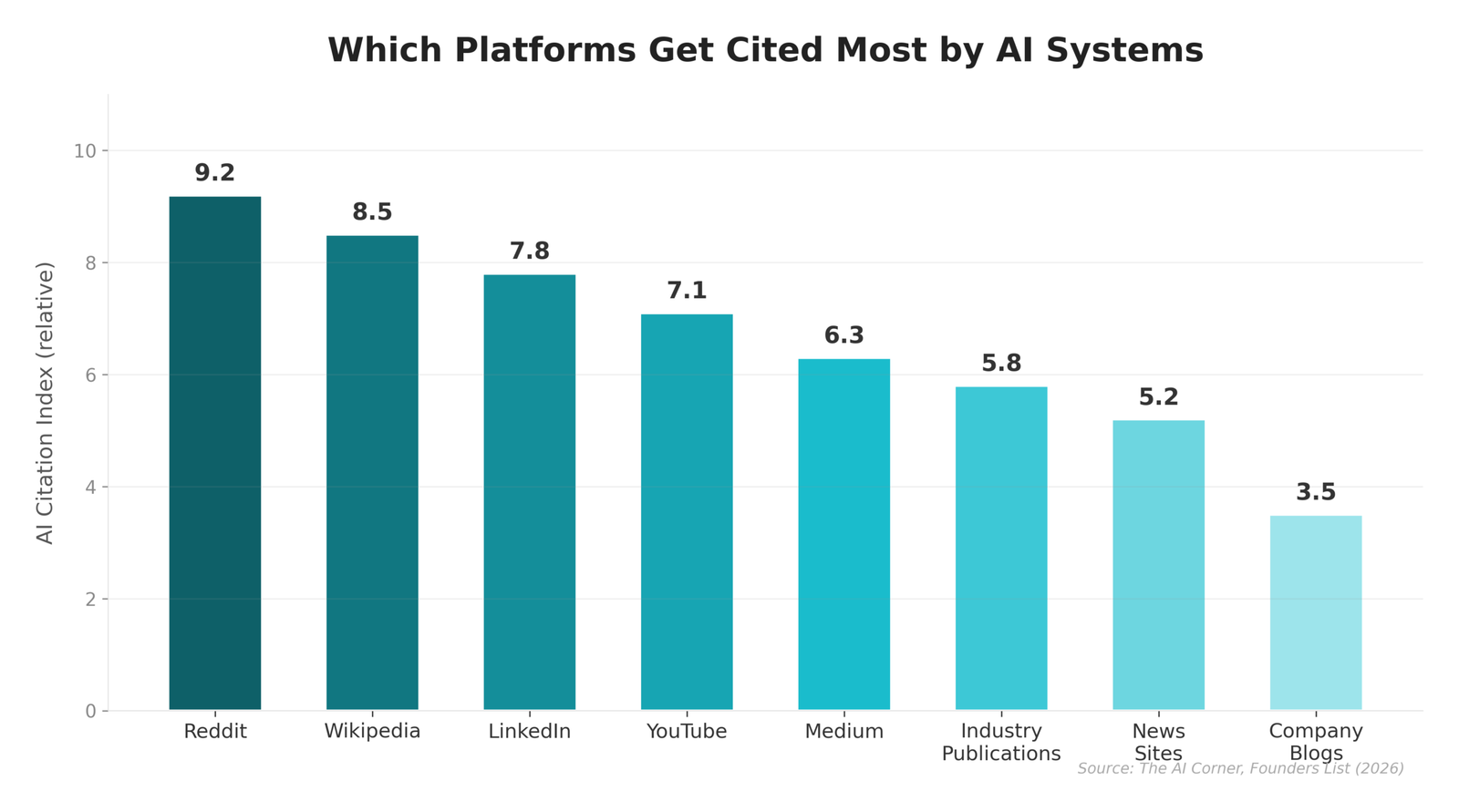
This doesn’t mean you should spam these platforms with links. It means you should build a genuine presence on them. Contribute thoughtful answers on Reddit. Publish expert commentary on LinkedIn. Create video content on YouTube that demonstrates your expertise. When AI systems encounter your brand consistently across these high-citation platforms, it reinforces your authority and increases the likelihood that your site gets referenced in AI-generated responses.
Warm Your Outreach
Cold outreach to strangers achieves response rates of just 1 to 3 percent on average. Warm outreach — reaching out to people you’ve already engaged with on LinkedIn, cited in your own content, or connected with at industry events — achieves response rates of 15 to 30 percent for the same type of opportunity.
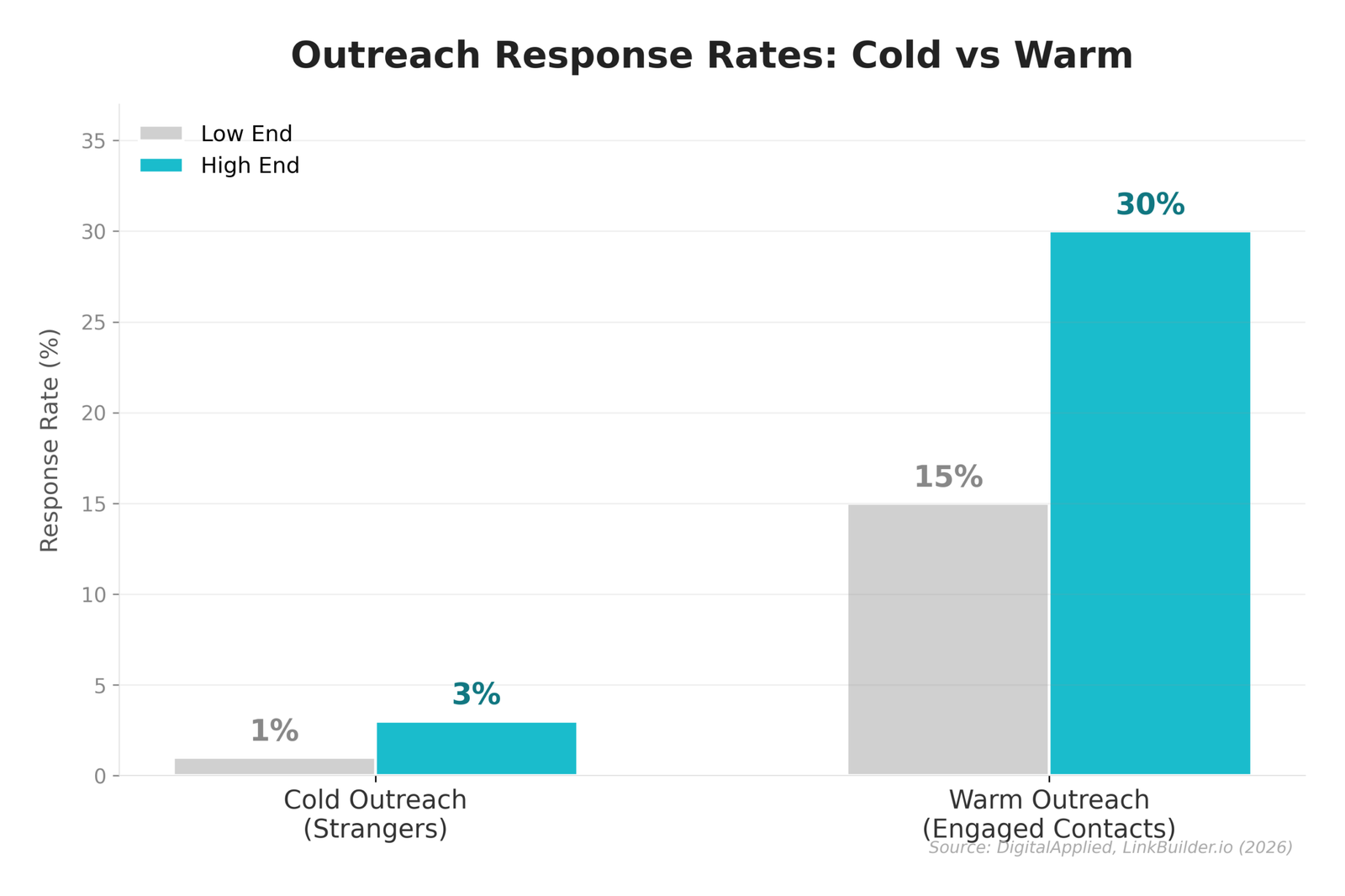
The math is simple. Building relationships before you need something dramatically increases the success rate of your link-building efforts. Engage with potential link partners’ content. Share their work. Comment on their posts. When you eventually reach out with a collaboration or link opportunity, you’re not a stranger — you’re someone they already recognise.
This approach takes longer to set up, but the links it produces are stronger, more sustainable, and more likely to come from genuinely relevant sources. It also aligns with the broader shift in SEO toward authenticity and genuine authority.
Strengthen Internal Linking
External links get most of the attention, but internal linking is one of the most underused tools in any site’s SEO toolkit. A strong internal linking structure helps search engines understand the relationships between your content, distributes link equity across your site, and guides users to your most important pages.
When you earn a strong external link to one page, internal links allow that authority to flow through to related pages. Without a thoughtful internal linking strategy, much of the value from your external links gets wasted on pages that don’t need it.
Audit your internal links regularly. Ensure that your most important pages receive links from multiple relevant pages on your site. Use descriptive anchor text that clearly indicates what the linked page is about. A well-structured internal linking architecture amplifies the impact of every external link you earn.
Monitor Your Competition
Understanding where your competitors earn their links reveals opportunities you might be missing. Tools like Ahrefs, Semrush, and SpyFu allow you to analyze competitor backlink profiles and identify the sources driving their authority.
Look for patterns. Are they earning links from industry publications you haven’t targeted? Do they have digital PR coverage you could replicate with a different angle? Are there content gaps where you could create something better and capture those same link opportunities?
The goal isn’t to copy their strategy. It’s to identify the gaps and opportunities they’ve either missed or underexploited. Combine these competitive insights with your own original approach to build a link profile that’s stronger and more diversified than what your competitors have.
Final Thoughts
Link building in 2026 is more nuanced than it has ever been. The rise of AI search, answer engines, and entity-based algorithms has raised the bar for what counts as a valuable link. Volume-based approaches are fading. What works now is quality, relevance, editorial validation, and genuine authority.
The good news is that these changes reward the right behaviour. If you’re creating genuinely valuable content, building real relationships in your industry, and earning links through merit rather than manipulation, you’re already aligned with where search is heading. The strategies that build lasting authority are the same ones that perform best in an AI-first search landscape.